Common Causes of Concrete Foundation Damage
To address common causes of concrete foundation damage, local contractors can assess issues like soil movement and moisture problems to provide effective repair solutions.
Understanding the common causes of concrete foundation damage can help property owners identify early signs of issues and take proactive steps to protect their investments. Factors such as soil movement, poor drainage, and fluctuations in moisture levels are frequent culprits that can compromise the stability of a foundation over time. Recognizing these potential problems is especially important for those living in areas prone to seasonal changes or with specific soil conditions, as addressing them early can prevent more extensive and costly repairs down the line.
For property owners exploring foundation damage repair options, knowing the underlying causes is a key part of making informed decisions. Local contractors who specialize in foundation services are equipped to assess these issues and recommend appropriate solutions tailored to the specific conditions of each property. Connecting with experienced service providers can ensure that repairs are handled effectively, helping to restore stability and protect the longevity of the structure. Keep reading to learn more about how these common causes can impact foundations and what steps might be necessary to address them.
- Soil expansion and contraction - when soil shifts due to moisture changes, local contractors can assess foundation stability and perform repairs to prevent further damage.
- Water intrusion and flooding - excessive water around a foundation can weaken the concrete, prompting service providers to install drainage solutions or reinforce the structure.
- Poor construction or design flaws - foundations built on improper footing or with inadequate materials may require expert repairs from local specialists to address underlying issues.
- Tree roots and landscaping - invasive roots can exert pressure on foundations, and local pros can help remove or manage vegetation to reduce damage risk.
- Settlement or shifting ground - uneven settling can cause cracks and instability, with service providers offering stabilization and repair solutions tailored to the site.
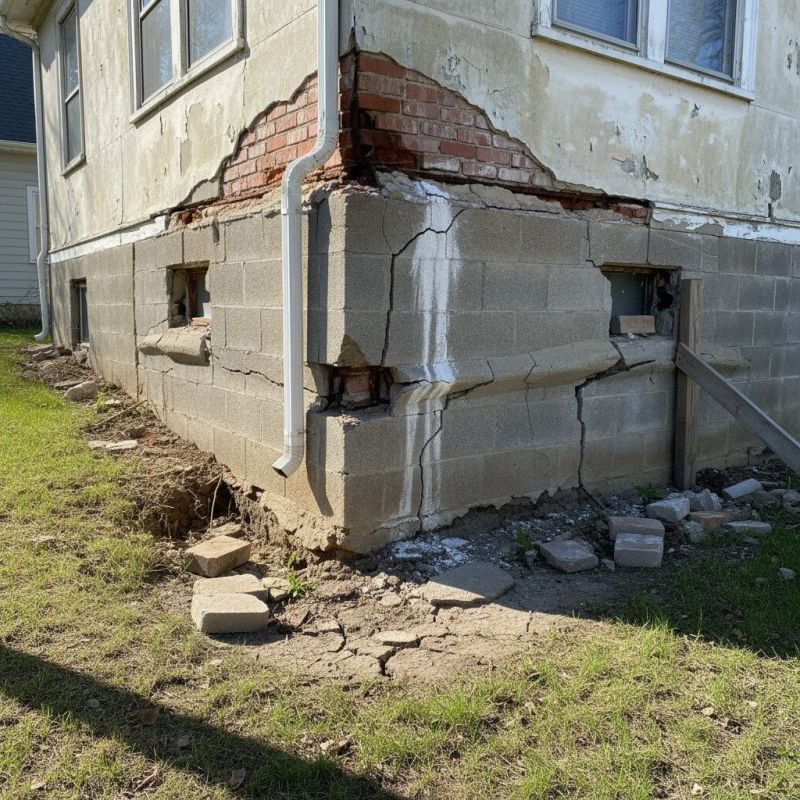
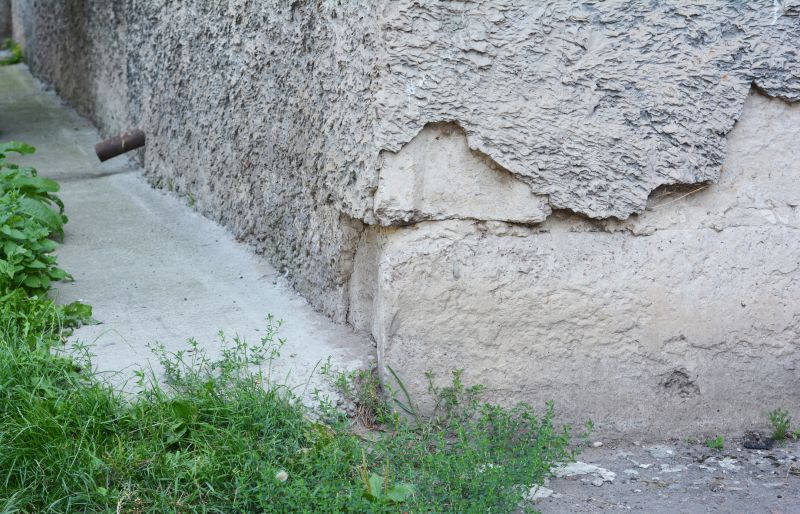
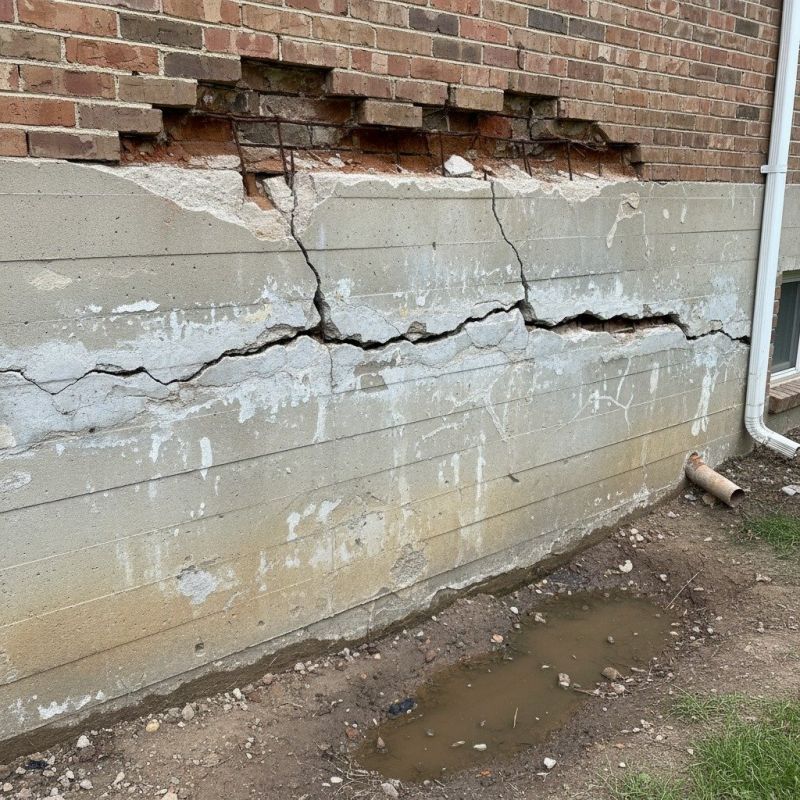
Understanding the common causes of concrete foundation damage is essential for homeowners who want to protect their property and avoid costly repairs. When people search for this topic, they are often concerned about issues that compromise the stability and safety of their homes. Foundation problems can stem from a variety of factors, including soil conditions, water management, and structural stress. Recognizing these causes helps homeowners identify early warning signs and plan effective solutions with the help of local contractors who specialize in foundation repair services.
The problems related to foundation damage typically involve cracks, uneven flooring, or sticking doors and windows. These symptoms often indicate underlying issues that need addressing to prevent further deterioration. Many property owners are interested in understanding how their plans for renovations or additions might impact the foundation’s integrity. Whether working on a new build, an extension, or maintenance projects, knowing the common causes of damage allows homeowners to work proactively with local service providers to ensure the foundation remains sound.
Properties most affected by foundation damage are usually those built on expansive or unstable soils, such as clay or loose fill. Homes in areas with significant moisture fluctuations or poor drainage are especially vulnerable. Additionally, older properties with outdated construction practices may experience more frequent issues. These properties often require regular inspections and maintenance to prevent damage or to determine if repairs are necessary. Local foundation repair contractors are experienced in assessing these types of properties and recommending appropriate solutions to address specific causes of damage.
Addressing common causes of concrete foundation damage involves understanding how environmental and structural factors contribute to deterioration. Soil movement from moisture changes, poor drainage systems, or inadequate compaction during construction can all lead to cracks and shifting. Homeowners should be aware that working with local pros can help diagnose the root causes and develop tailored repair plans. These specialists can also advise on preventative measures to reduce future risks, ensuring the foundation remains stable and the property retains its value over time.
Foundation underpinning projects - these projects involve stabilizing and strengthening existing structures, requiring skills in soil analysis and concrete work similar to foundation repair services.
Concrete leveling and slab raising - addressing uneven or sinking slabs involves similar planning and tool use as diagnosing and fixing foundation damage caused by soil movement.
Drainage system installation - proper drainage is essential to prevent water-related foundation issues, making these projects relevant for understanding water management's role in foundation health.
Soil stabilization services - stabilizing soil to prevent shifting or settling shares techniques with foundation repair to address ground movement and prevent damage.
Retaining wall construction - building retaining walls involves soil retention and stability, which are closely related to preventing foundation damage from soil pressure.
Waterproofing and sealing projects - protecting foundations from water intrusion is key in foundation damage prevention, aligning with services that mitigate common causes of damage.
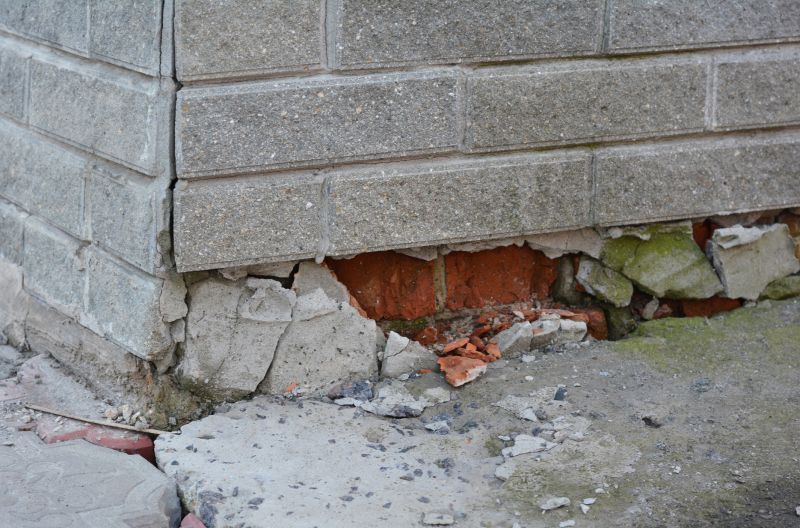
When comparing service providers for foundation damage repair, it is important to consider their experience with similar projects. Local contractors who have handled concrete foundation issues related to common causes of concrete foundation damage are more likely to understand the specific challenges that may arise. An experienced pro can provide insights into the types of repairs that are most effective based on the history of foundation issues in the area, ensuring that the solutions offered are appropriate for the specific conditions affecting the property.
Clear written expectations are essential to ensure that homeowners understand the scope of work, the methods that will be used, and the anticipated outcomes. Reputable service providers should be willing to provide detailed estimates and descriptions of the repair process, helping homeowners make informed decisions. Having a transparent plan also reduces the risk of misunderstandings or surprises during the project, fostering a smoother repair experience.
Good communication and reputable references are key indicators of a trustworthy local contractor. Service providers who are responsive and willing to answer questions can help homeowners feel confident in their choice. Additionally, references from previous clients who have had similar foundation issues can offer valuable insights into the contractor’s reliability and quality of work. Comparing these aspects among local contractors can help identify professionals who are well-equipped to address foundation damage caused by common issues such as shifting soil, water intrusion, or poor construction practices.
Property owners often search for common causes of concrete foundation damage when they are planning practical projects around their homes and businesses. Local pros provide Foundation Damage Repair services for everyday jobs and straightforward project options.
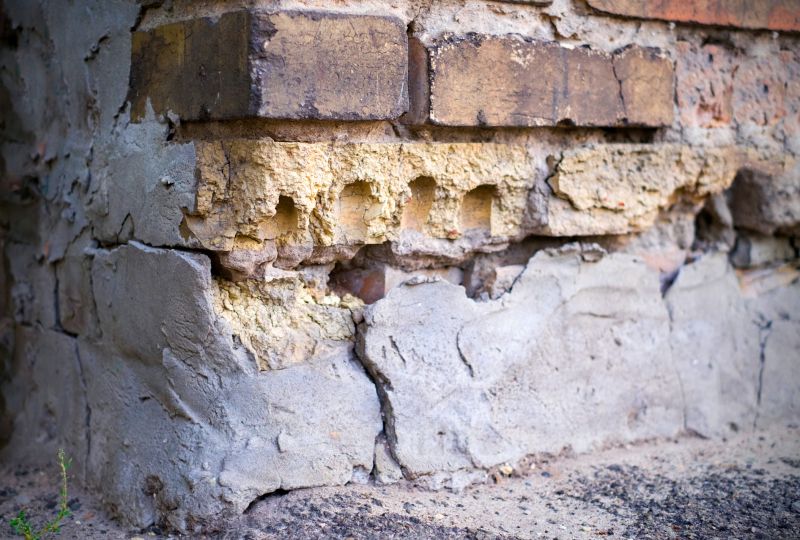
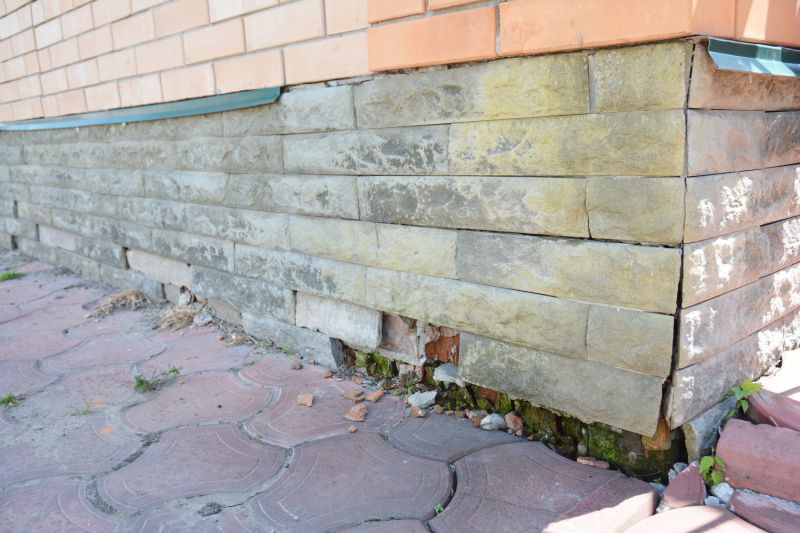
Understanding the common causes of concrete foundation damage can help property owners identify potential issues early on. In many cases, simple factors such as soil movement, poor drainage, or improper construction practices can lead to cracks, settling, or other structural problems. Homeowners in the area might notice uneven floors, sticking doors, or visible cracks in the foundation, prompting them to seek advice from local contractors experienced in foundation repair. Addressing these everyday project situations sooner rather than later can prevent minor issues from escalating into more costly repairs.
Environmental factors and changes in the landscape also play a significant role in foundation health. Excess moisture from heavy rains or poor drainage can weaken the soil supporting the foundation, causing shifts or settling over time. Similarly, drought conditions followed by rapid watering or landscaping can lead to soil contraction and expansion, putting stress on the foundation. When these common causes are identified, property owners often turn to local service providers who specialize in foundation damage repair to evaluate and resolve the underlying problems effectively.
What are common causes of concrete foundation damage? Common causes include soil movement, poor drainage, and inadequate construction practices that lead to settling or cracking of the foundation.
How does soil movement affect foundation stability? Soil movement, such as expansion or contraction due to moisture changes, can exert pressure on the foundation, causing cracks or shifting over time.
Can poor drainage contribute to foundation damage? Yes, poor drainage can lead to excess water around the foundation, increasing the risk of soil erosion and water infiltration that weakens the concrete.
What role does improper construction play in foundation issues? Improper construction techniques, like insufficient reinforcement or unsuitable materials, can make the foundation more vulnerable to damage from environmental factors.
How can local contractors help with foundation damage caused by these issues? Local service providers can assess the damage, identify the underlying causes, and perform repairs to restore foundation stability and prevent further issues.
Soil movement and settling - understanding how shifting soil can cause foundation cracks helps property owners plan for proper drainage and soil stabilization with the help of local contractors.
Poor drainage and water management - implementing effective gutter and downspout systems can prevent water from pooling around the foundation, with local pros providing expert advice and installation.
Tree roots and vegetation interference - removing or managing nearby trees and large plants can reduce pressure on the foundation, and local service providers can assist with safe landscaping practices.
Inadequate concrete curing and construction issues - ensuring proper curing and construction techniques during initial foundation work can prevent future damage, with local contractors offering quality repair services when problems arise.
If you are thinking about common causes of concrete foundation damage for a property, this guide is meant to help you understand this topic, the typical project types, and how different options might fit your plans.
When you are ready, you can use the quote form on this page to share a few details about your project. From there, local pros can review the basics and follow up with options that match what you have in mind.